MRI STUDENT BLOG
TOPICS DEDICATED TO STUDENT INTERESTS
Are you a student studying for the MRI registry exam? If so, a few focused MRI study tips can help you make better use of your study time and feel more prepared going into exam day. Effective studying can play a big role in MRI registry success, and having a clear plan can sometimes reduce unnecessary stress and “busy work” while you prepare.
This article covers 5 essential MRI study tips that may be helpful as you study for the MRI registry exam. Stay positive, keep your momentum, and as always… Happy Scanning!
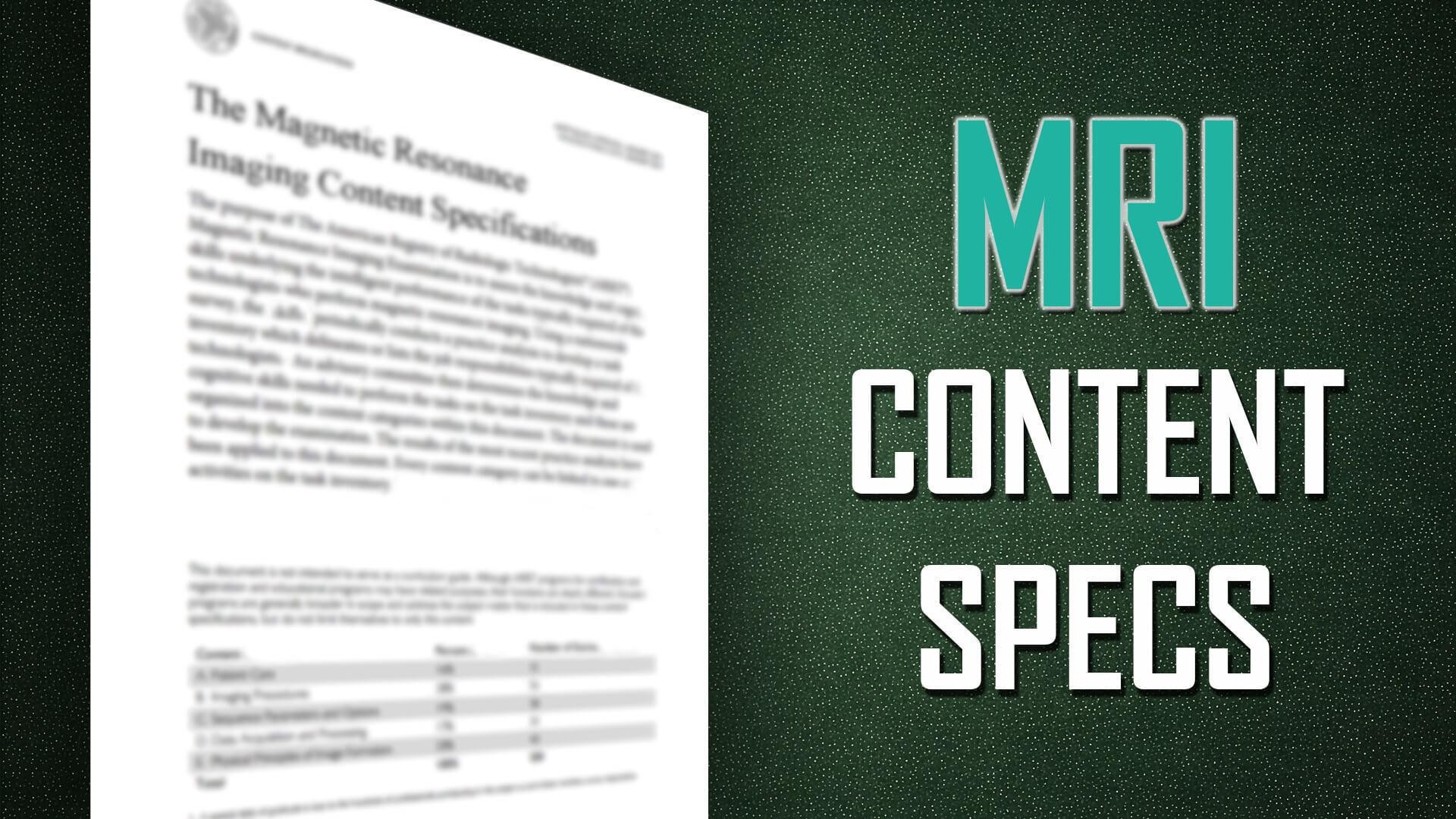
The MRI content specifications (such as those provided by the ARRT or other credentialing bodies) can be a helpful study tool when preparing for the MRI registry exam. These specifications outline the topics that may appear on the exam, which can make it easier to study with direction and avoid guessing what to focus on. Keeping the content specifications nearby while you study can help your review feel more focused and efficient… especially when you’re deciding what to study next or what areas may need more attention.
You may have heard that memorization isn’t always the best way to learn… and that’s often true when you need deep understanding and comprehension. However, some parts of MRI exam prep may benefit from quick recall, and memorization may be useful in those situations. Two areas that can respond well to memorization for the MRI registry exam are anatomy and numerics.
It may be helpful to focus on memorizing these areas after you’ve worked through the rest of your MRI study material… since they can be easier to forget if you memorize them too early. If you’d like extra support with areas that may benefit from memorization, below is a quick preview of some of our review materials that focus on quick recall.
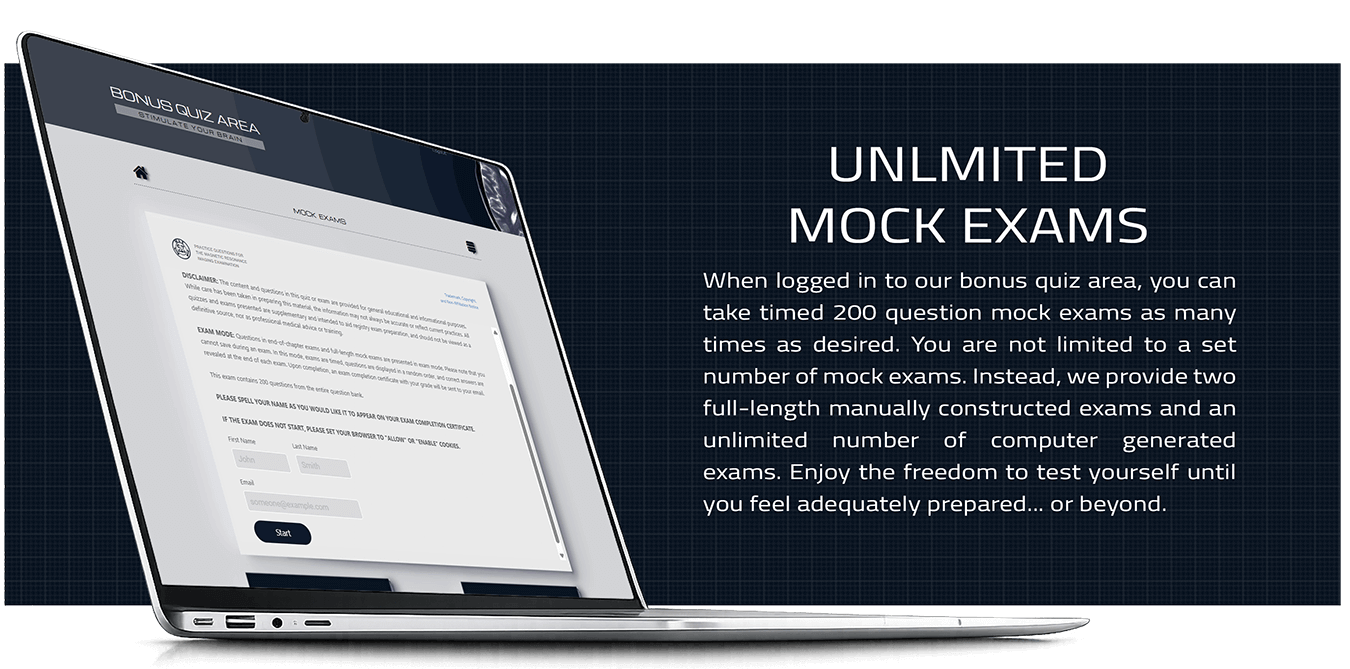
Once you’ve completed most of your studying, taking mock exams can be a helpful final step. Mock exams may highlight weak areas that still need review, and they can also help you get comfortable with the pacing and question style you may see on the MRI registry exam. If possible, find a quality source for practice tests and full-length mock exams (or try our unlimited mock exams) as you get closer to exam day. This can help you feel more prepared, reduce surprises, and potentially avoid having to retake the MRI registry exam. If you’d like to simulate exam day and identify weak areas, below is a quick preview of our unlimited mock exams.
Note: This article is provided for general informational purposes. Exam requirements and content specifications can change over time… so it may help to refer directly to the appropriate credentialing body for the most current information.
Once you have a study system in place, practice questions can be useful for more than just testing knowledge. They may also help you gauge how you’re progressing and identify areas that need additional review before the MRI registry exam. After reviewing your notes or an MRI study guide, you can work through practice questions that align with the sections of the MRI content specifications that apply to you. Then, if certain topics consistently feel difficult, you can spend a little extra time there and strengthen your overall preparation. If you’d like extra practice to benchmark your progress, below is a quick preview of our MRI practice questions.
Organization can make a big difference when you’re trying to absorb a lot of information in a short amount of time. Simple habits like compiling and condensing information, highlighting key points, and keeping a running list of topics to revisit can help you stay on track. When your study materials are organized, it can be easier to return to the right information quickly, reducing the feeling of being lost or unsure of what to review next. If you’d like a more structured way to review and stay organized, you can consider trying the free demo study guide and quiz area here.